

London, one of the world’s most iconic cities, offers an extensive and efficient transportation network that makes exploring its sights both convenient and exciting. From historic double-decker buses to high-speed trains, visitors to the city have a variety of options to get around. This guide will provide an overview of the key modes of transport in London, their history, and tips for navigating the city like a local.
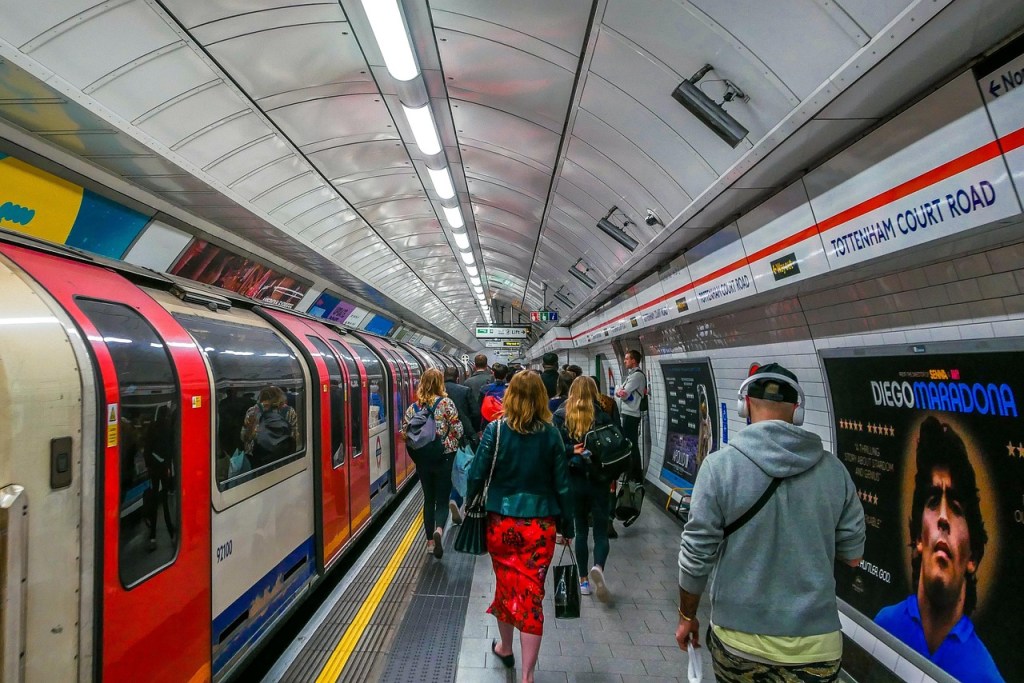
The London Underground, or “the Tube,” is perhaps the city’s most famous mode of transport. Opened in 1863, it is the world’s oldest underground railway system. Today, it consists of 11 lines and over 270 stations, connecting central London with its outer boroughs. The Tube is fast and reliable, though it can get crowded during peak hours. Visitors should consider purchasing an Oyster card or using contactless payment for seamless travel across the network.
For a more scenic way to explore the city, London’s red double-decker buses are a must. These buses have been an integral part of the city since the 1820s, evolving from horse-drawn carriages to the modern electric and hybrid models seen today. They offer a great way to see the city above ground, with popular routes like the No. 11 bus passing landmarks such as St. Paul’s Cathedral, Trafalgar Square, and Westminster Abbey.
If you’re traveling longer distances or heading to destinations outside of London, the city’s railway network is invaluable. Major stations like King’s Cross, Paddington, and Victoria connect London to the rest of the UK via high-speed trains. For international travel, the Eurostar service from St. Pancras International offers a quick route to Paris, Brussels, and beyond.
A commonly asked question about transportation in London is: What is the best way to pay for travel? The answer depends on the length of your stay. For short visits, a contactless debit or credit card is the most convenient option, as it caps your daily fare. For longer stays, an Oyster card offers similar benefits and can be topped up as needed. Both methods work seamlessly across buses, the Tube, trams, and even some river services.
For those who prefer a more active way to explore, London’s cycling infrastructure has grown significantly in recent years. Santander Cycles, a bike-sharing scheme, allows visitors to rent bikes from docking stations located throughout the city. Cycling around Hyde Park, along the Thames, or through quiet neighborhoods like Notting Hill can offer a unique perspective of London.
Whether you’re navigating the bustling streets of central London or venturing farther afield, the city’s transportation system ensures that you’re never far from your next adventure. With so many options to choose from, getting around London is as much a part of the experience as the destination itself.
 Your English Afternoon Tea